
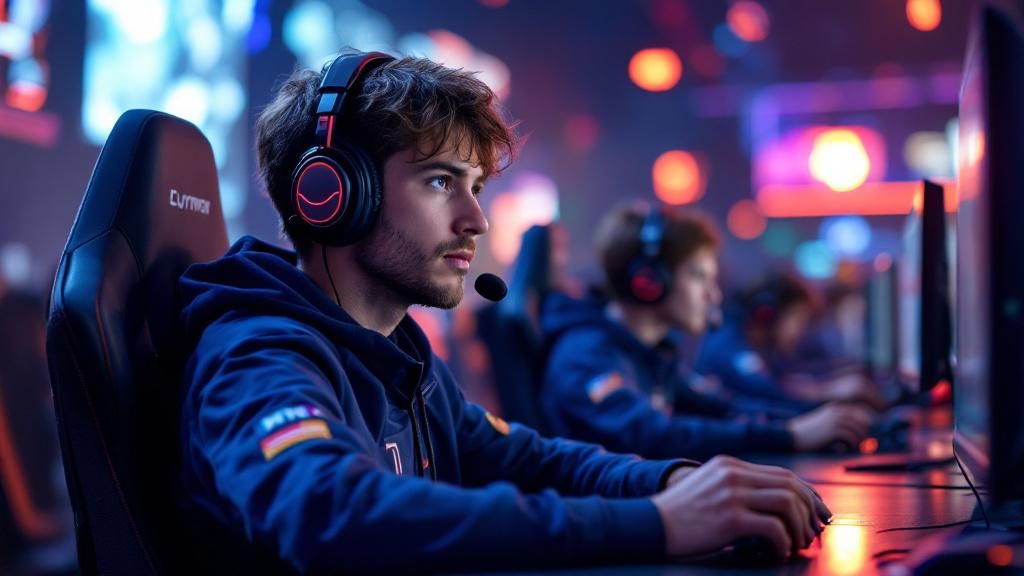
The esports industry has taken a significant step forward in emphasising competitor wellbeing. Leading esports bodies have together launched a detailed player protection standards framework, confronting longstanding concerns about mental health, working conditions, and fair treatment within professional gaming. This significant undertaking marks a pivotal moment for esports legitimacy, establishing baseline protections that could fundamentally alter how the industry operates. We analyse the framework’s central components, the bodies spearheading this shift, and what it means for athletes and professional gaming in the future.
Industry-Wide Commitment to Player Wellbeing
The joint initiative between major esports companies marks a pivotal turning point for player protection within esports competition. This cohesive approach demonstrates the market’s authentic resolve to creating lasting protocols that emphasise player health alongside competitive excellence. By sharing assets and experience, these organisations have established thorough standards addressing bodily fitness, mental wellness, and workplace protection. The scheme shows expanding understanding that competitor health substantially impacts competitive performance and sustained careers, making it crucial for the sport’s credibility and growth.
Tournament administrators have confirmed that previous standards were disjointed and variable, exposing competitors to exploitation and burnout. The updated system establishes consistent standards among principal events, guaranteeing all professional athletes obtains equal support and availability of vital assistance. This coordinated approach removes unfair disparities resulting from differing safeguards and establishes a level playing field. Industry figures emphasise that these standards constitute baseline expectations, prompting entities to exceed baseline expectations and foster genuinely supportive environments where athletes can flourish across professional and personal dimensions.
Key Aspects of the Welfare System
The newly established welfare framework includes several interconnected pillars designed to ensure player protection comprehensively. These provisions address mental wellbeing assistance, physical health, reasonable working standards, and clear dispute handling procedures. By integrating these elements, tournament operators strive to create a holistic approach that recognises esports athletes as professional competitors entitled to comprehensive protections. The framework defines essential standards that all associated competitions need to establish, guaranteeing standardised player protections across the esports competitive sector.
Mental Wellness Care Services
Acknowledging the psychological pressures present within professional esports, the framework mandates provision of mental health professionals for all players competing. Tournament operators should offer confidential therapy services, either directly or through partnerships with qualified mental health providers. This provision covers stress management, anxiety management support, and crisis support resources. Players receive access to experienced psychologists who understand esports-specific challenges, encompassing online abuse, intense competitive pressure, and career uncertainty.
The framework additionally mandates tournaments to establish psychological awareness schemes and stigma-reduction efforts within the community. Organisers need to educate players, coaches, and staff about identifying wellbeing issues and accessing appropriate support. Periodic reviews and wellness monitoring systems enable spot struggling players early, facilitating proactive intervention before situations progress into critical psychological situations.
Physical Wellbeing Requirements
Tournament coordinators must establish detailed wellness standards covering ergonomics, rest periods, and healthcare monitoring. The framework requires proper seating, display positioning, and rest periods to minimise RSI common among esports professionals. Medical staff must be on-site at significant events to manage acute health issues, whilst organisers are mandated to provide information about injury avoidance and suitable medical facilities for sustained athlete progression.
Environmental factors at tournament locations are now governed by strict requirements maintaining player wellbeing and safety. Regulations address temperature control, lighting standards, and noise levels to deliver optimal competitive conditions. Additionally, the framework encourages players to undergo regular health assessments and provides guidance on nutrition, sleep hygiene, and exercise routines vital to sustained professional performance in esports.
- Workplace gear evaluations performed by qualified specialists
- Required breaks between matches preventing athlete fatigue
- On-site medical staff available throughout competitive events
- Injury prevention training and rehabilitation service availability
- Health monitoring programmes tracking player wellbeing across the year
Implementation Timeline and Requirements
The framework will be implemented in three different phases, commencing immediately with preliminary assessments across member organisations. Tournament operators have pledged to completing initial audits of their existing operations by the conclusion of Q1, identifying gaps between existing protocols and the new standards. This initial stage ensures a comprehensive assessment of each organisation’s starting point before making material alterations. Following phases will include staff training, procedural revisions, and the establishment of autonomous monitoring systems to guarantee compliance and transparency throughout the competitive gaming sector.
The standards themselves encompass mandatory provisions covering mental health support, sensible practice arrangements, and open reward distribution systems. Each organisation should establish a designated welfare champion tasked with handling grievances and ensuring adherence to guidelines. Regular audits, performed by third-party bodies, will confirm adherence and identify areas requiring improvement. These extensive protections set defined targets for player protection, with regulatory tools including pecuniary fines and potential tournament sanctions for organisations unable to meet required standards.
Sector Response and Future Perspective
The announcement has garnered strong backing from stakeholders across the esports ecosystem. Player unions have praised the structure as a crucial development towards elevating the professionalism of the space, whilst franchise operators and financial backers acknowledge the prospects of improved legitimacy and long-term viability. Hardware producers and streaming platforms have undertaken to embed safeguarding measures into their operations, illustrating a shared dedication to systemic change. Early indications indicate that governing authorities and government officials regard the guidelines favourably, potentially paving the way for legislative recognition of esports as a legitimate professional sector.
Looking ahead, industry observers anticipate that this framework will function as a blueprint for worldwide implementation, with regional competitions and smaller competitions expected to implement similar guidelines. The programme is expected to inspire ongoing discussion regarding player compensation, professional progression routes, and psychological support services. As esports continues its rapid expansion, these welfare standards constitute a crucial safeguard ensuring that competitive gaming remains sustainable, inclusive, and respectful for all participants, in turn strengthening the industry’s standing as a genuine professional discipline.
